





2026 Chevrolet Blazer in Boone, NC
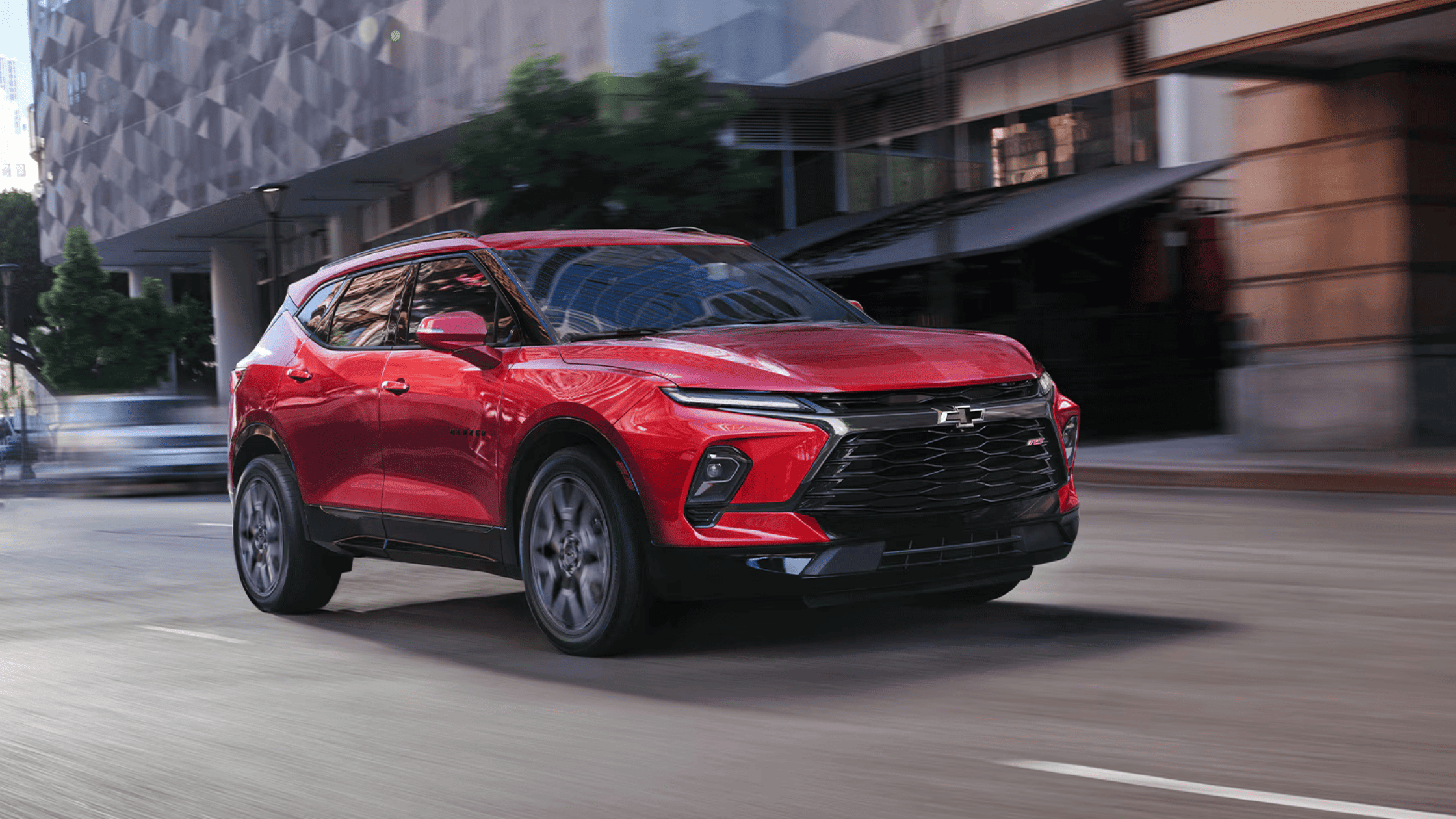
The 2026 Chevrolet Blazer is a midsize sport utility vehicle engineered to provide a combination of turbocharged efficiency, structured interior space, and integrated technology systems. It is configured with a four-door body style and accommodates up to five occupants, with a layout that prioritizes functional cabin use and accessible control placement. The vehicle is designed to support daily driving requirements alongside longer-distance travel, with a focus on balanced performance and consistent system integration.
The platform supports a maximum cargo capacity of 64.2 cubic feet when the rear seating area is configured for storage. This capacity allows the vehicle to transport larger items without compromising the structural layout of the cabin. The 2026 Chevrolet Blazer maintains a configuration that integrates passenger comfort and cargo flexibility without exceeding the dimensional constraints typical of a midsize SUV.
Integrated Technology and Connectivity Systems
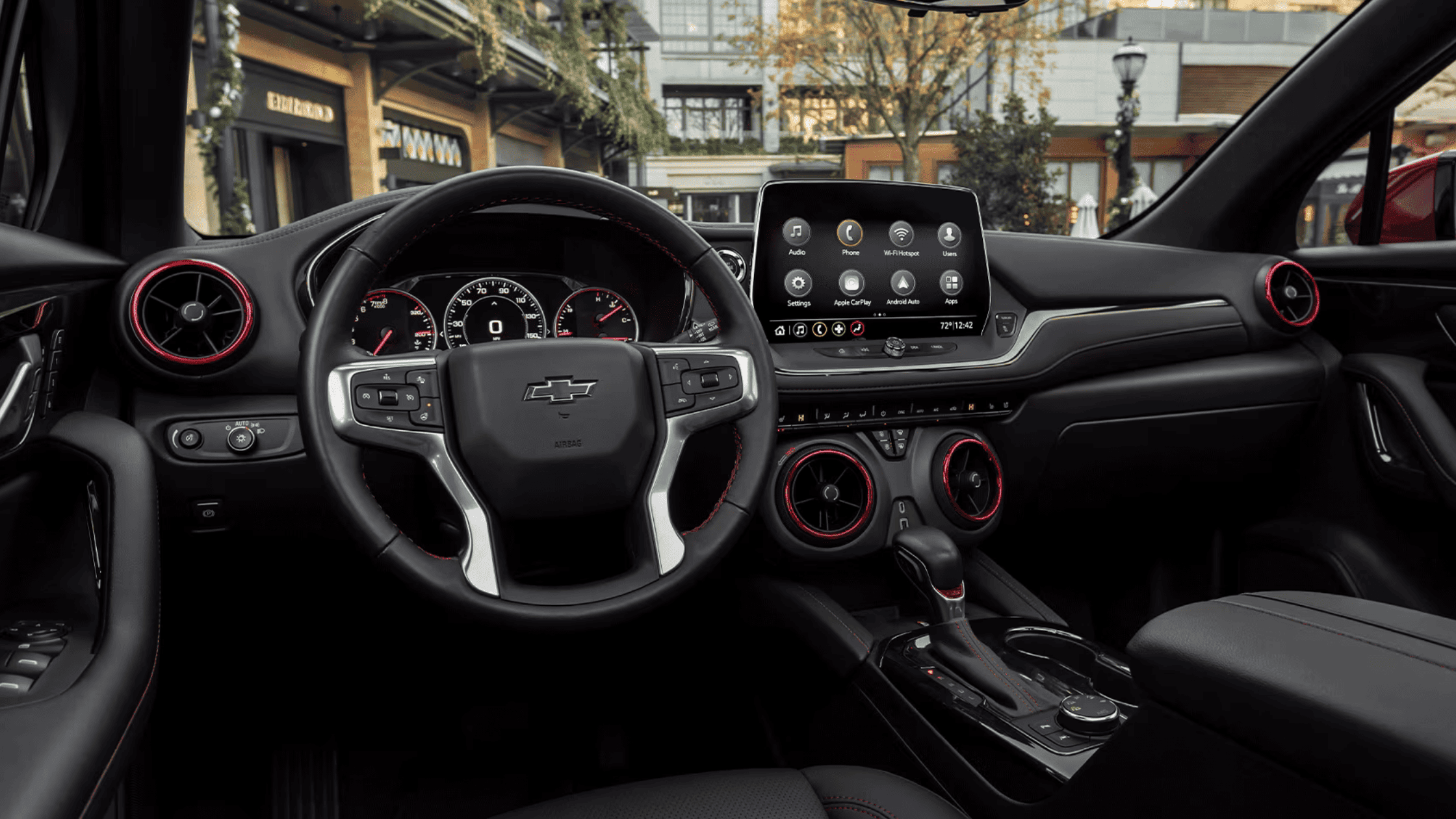
The 2026 Chevrolet Blazer incorporates a centralized infotainment system that manages navigation, media, and vehicle settings. The system is displayed through a touchscreen interface that is designed for clarity and responsiveness. The interface allows drivers to access functions quickly without navigating through complex menus.
Wireless smartphone integration enables the connection of compatible devices to the infotainment system. This integration supports access to applications, communication tools, and navigation features directly through the vehicle interface. The system is designed to maintain connectivity while minimizing input complexity.
An available in-vehicle Wi-Fi hotspot provides internet access for multiple devices within the cabin. This feature supports connectivity for passengers and enables the use of online services during travel. The system operates through a built-in network that maintains signal consistency while the vehicle is in motion.
Additional technology features may include voice recognition systems that allow drivers to control certain functions using spoken commands. This capability reduces the need for manual input and supports safer interaction with the vehicle’s systems.
Interior Layout and Space Utilization
The interior of the 2026 Chevrolet Blazer is structured to maximize usability and spatial efficiency. The seating configuration accommodates five passengers, with a layout that provides sufficient legroom and headroom for both front and rear occupants. The seating materials and positioning are selected to support extended use without compromising structural integrity.
The rear seating area features a split-folding configuration that allows for flexible cargo management. When the rear seats are folded, the cargo area expands to a maximum of 64.2 cubic feet. This configuration enables the transport of larger items while maintaining a flat load surface.
The driver-focused cockpit is designed to position controls within direct reach. The arrangement of the steering wheel, instrument cluster, and infotainment display reduces the need for excessive movement when accessing key functions. This layout contributes to improved operational efficiency and reduced distraction during driving.
Storage compartments are integrated throughout the cabin to provide additional space for smaller items. These compartments are positioned to remain accessible without interfering with passenger seating or movement.

Engine Specifications and Transmission System
The 2026 Chevrolet Blazer is equipped with a 2.0-liter turbocharged four-cylinder engine that serves as the standard powertrain across all trims. This engine produces 228 horsepower and 258 lb.-ft. of torque, delivering consistent acceleration and controlled power distribution during both city and highway driving conditions. The turbocharging system is calibrated to provide efficient air intake and combustion, which contributes to both performance output and fuel efficiency.
The engine is paired with a 9-speed automatic transmission. This transmission system is designed to provide smooth gear transitions while maintaining optimal engine performance across different speed ranges. The multiple gear ratios allow the vehicle to operate efficiently during low-speed driving and maintain steady output during higher-speed conditions. This configuration reduces unnecessary engine strain and supports fuel conservation.
Front-wheel drive is standard, offering a balanced distribution of power for standard driving environments. An available all-wheel drive system enhances traction by distributing torque to all four wheels when needed. This system is particularly useful in conditions where additional grip is required, such as wet or uneven surfaces. The drivetrain configuration supports controlled handling and consistent performance across varying road conditions.
Fuel efficiency is rated at an EPA-estimated 29 miles per gallon on the highway for front-wheel-drive models. This rating reflects the combined efficiency of the turbocharged engine and the multi-speed transmission system. The efficiency level supports extended travel distances while minimizing fuel consumption.
Chassis Construction and Exterior Engineering
The structural design of the 2026 Chevrolet Blazer is based on a midsize SUV architecture that supports both rigidity and controlled weight distribution. The chassis is engineered to provide stability during acceleration, braking, and cornering. This structural approach contributes to consistent handling and reduced body movement during operation.
The exterior design incorporates functional elements that support aerodynamic performance. The body contours are shaped to reduce air resistance, which contributes to improved fuel efficiency and stability at higher speeds. The four-door configuration ensures ease of access to both front and rear seating areas.
Exterior variations such as Midnight Edition and Sport Edition introduce alternative design elements without modifying the underlying mechanical systems. These variations include changes in trim finishes and visual detailing while maintaining the same structural and performance characteristics. The design approach ensures that all configurations retain consistent engineering standards.
Safety Engineering and Driver Assistance Features
The 2026 Chevrolet Blazer includes a range of safety and driver-assistance systems that are designed to support driver awareness and reduce the likelihood of collisions. These systems operate through a combination of sensors, cameras, and onboard processing units that monitor surrounding conditions.
Forward collision alert systems detect potential obstacles ahead and provide warnings to the driver. Automatic emergency braking can apply braking force if a collision is imminent and the driver does not respond in time. Lane-keeping assistance systems help maintain the vehicle’s position within its lane by providing corrective steering input when necessary.
Additional safety features may include systems that monitor following distance, detect pedestrians, and adjust headlight intensity based on external lighting conditions. These systems are designed to operate continuously and provide assistance without requiring constant driver input.
The vehicle’s structural safety design includes reinforced construction and airbag systems that provide occupant protection in the event of a collision. These elements work together with the driver-assistance technologies to create a comprehensive safety framework.
Driving Characteristics and System Calibration
The driving characteristics of the 2026 Chevrolet Blazer are defined by a balance between responsive handling and ride comfort. The suspension system is tuned to absorb road irregularities while maintaining stability. This tuning supports consistent performance across different driving environments.
The steering system is calibrated to provide precise control, allowing the driver to maintain accurate direction with minimal input. This calibration enhances maneuverability in urban settings and stability during highway driving.
The turbocharged engine delivers torque in a controlled manner, which supports smooth acceleration. The transmission system complements this output by selecting appropriate gear ratios based on speed and load conditions. This coordination between engine and transmission contributes to consistent performance.
Noise reduction measures are integrated into the cabin design to minimize external sound intrusion. This contributes to a quieter interior environment, which supports driver focus and passenger comfort.
Trim Configurations and Feature Distribution
The 2026 Chevrolet Blazer is available in multiple trim levels, including 2LT, 3LT, and RS. Each trim level includes a specific combination of features while maintaining the same standard powertrain. This structure allows for variation in interior materials, technology features, and design elements without altering the mechanical foundation.
Higher trims may include additional convenience features and enhanced interior finishes. These configurations provide options for drivers who require additional functionality or specific design preferences. The consistent use of the standard engine and transmission ensures uniform performance across all trims.